
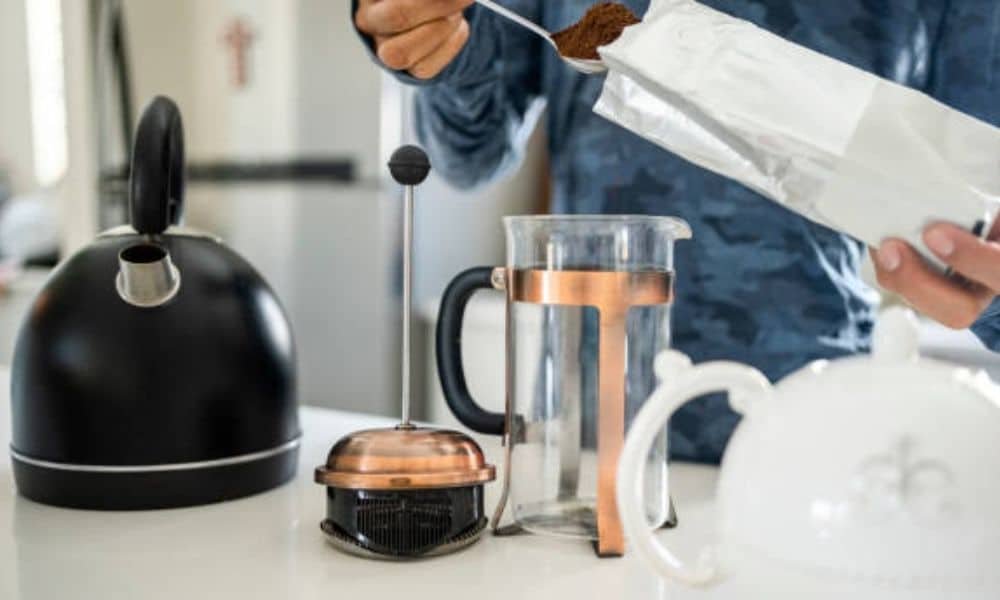
That first sip of French press coffee can be pure bliss—or full of grit. I’ve learned the hard way that how to reduce sediment in French press coffee comes down to small tweaks, not fancy gear. With the right french press sediment removal tips and a few tricks for getting cleaner French press coffee, you can enjoy a smooth, rich brew every time. Let’s fix the sludge and make your mornings taste better again.
Why Does French Press Coffee Have Sediment?
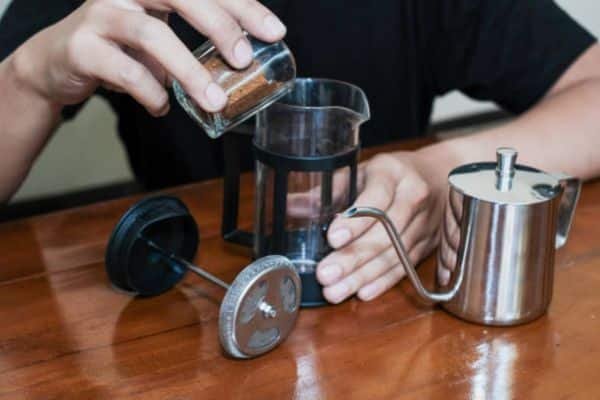
French press coffee has sediment because tiny coffee particles slip through the metal mesh filter during brewing. Unlike paper filters, the mesh keeps oils but can’t block every grain.
The main cause is grind size. If the coffee is too fine, it escapes the filter and settles in your cup. I used to think my press was faulty until I switched to a medium-coarse grind—suddenly, my coffee turned smooth.
Your mesh filter matters too. A bent or old screen lets more grit through. Upgrading to a dual-layer filter or cleaning it after each brew is one of the best french press sediment removal tips I’ve learned.
Step-by-Step Guide: How to Get Cleaner French Press Coffee
Getting a cleaner cup of French press coffee starts long before you pour in the water. The secret lies in the details—how you grind, filter, and handle your brew from start to finish. Over time, I’ve learned that mastering these small habits completely transforms the taste and texture. If you’ve ever wondered how to get cleaner French press coffee, the answer starts with technique, not tools. A few mindful steps can turn gritty sludge into a smooth, café-style cup right at home.
Step 1 – Choose the Right Grind Size
Grind size is the biggest game-changer. A medium-coarse grind keeps the grounds large enough to stay behind the filter while still giving you full flavor. I used to grind mine too fine and ended up drinking coffee dust. Switching to a burr grinder helped me get consistency every time—and that’s where the clarity began. If your brew tastes muddy, it’s likely the grind, not the beans.
Step 2 – Use a Quality Mesh Filter
Your filter quietly decides whether your coffee will be silky or gritty. A worn or single-layer screen lets small grounds through, clouding your drink. Upgrading to a dual-layer stainless-steel filter was the best french press mesh filter improvement I ever made. It trapped more fines while keeping those rich oils intact. Clean it after each brew, and it’ll reward you with a noticeably smoother cup.
Step 3 – Bloom and Stir Gently
When hot water first hits the grounds, it releases carbon dioxide—a process called blooming. Stirring helps distribute water evenly, but stirring too much kicks up sediment. I used to overdo it and end up with a muddy mess. Now I just give it one calm swirl and let the coffee bloom naturally. It’s amazing how much cleaner the brew tastes with a gentler hand.
Step 4 – Let It Settle Before You Pour
Patience pays off here. After pressing, wait about 30 seconds before pouring. This short pause lets fine particles settle at the bottom. Press the plunger slowly and evenly—it’s not a race. When I started waiting that extra moment, my coffee instantly became smoother, and I never looked back.
Step 5 – Pour Smoothly and Stop Early
Here’s the trick most people overlook: stop before the last half inch. That final layer is where sludge hides. By leaving it behind, you instantly reduce grit and bitterness. It’s one of the easiest ways to minimize coffee grounds in a French press, and it makes a huge difference in every pour. Once you taste the clean, balanced flavor, you’ll never scrape the bottom of the carafe again.
Common Mistakes That Create Sludge
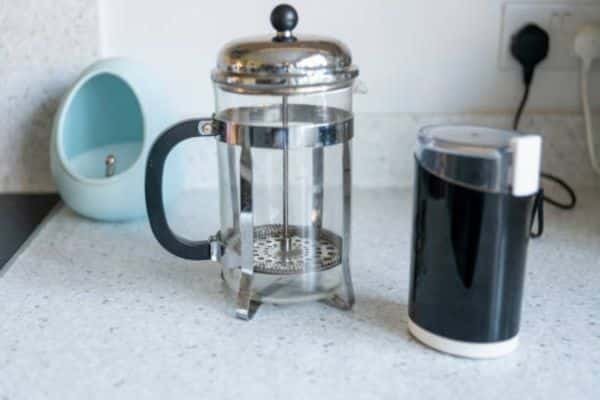
Most sludge comes from simple mistakes—like over-stirring, grinding too fine, or pressing too fast. Once you learn how to avoid sludge in French press coffee, the fix is easy.
Stir gently instead of whipping the brew. Over-stirring keeps fine particles floating and ruins clarity. Use a medium-coarse grind, not a fine one, so the grounds stay behind the filter. And don’t rush the press—slow, steady pressure keeps grit trapped.
Lastly, check your filter. A bent or old mesh screen lets grounds slip through. Replacing or upgrading it is one of the simplest ways to get a cleaner, smoother cup. If you’re looking to make your brew even smoother, it’s not just about removing grit — it’s also about starting with quality beans. Check out our guide on the best coffee for French press
Bonus Tips for a Clean, Smooth Brew

A few extra habits can make your brew even smoother. One easy trick is using paper filters or a fine mesh strainer on top of your French press spout. It might sound old-school, but it catches those sneaky particles that the metal mesh misses. The result? A cleaner, lighter cup that feels more like café quality than home-brewed grit. It’s one of my favorite methods for reducing grit in French press brew without losing the bold flavor.
Keeping your equipment clean also makes a big difference. Over time, oils and tiny grounds clog the mesh and dull its performance. I like to rinse mine right after brewing, then give it a deep clean once a week with warm water and mild soap. It’s quick, easy, and helps the press stay strong for years.
Finally, try a few optional hacks: pre-wet the filter to help it seal better, use filtered water for a purer taste, or even double filter when you want zero residue. I’ve tried them all, and while each adds a small step, they all add up to a big difference—a clean, smooth French press coffee you can truly savor every morning.
My Personal Routine for a Sediment-Free Morning Cup
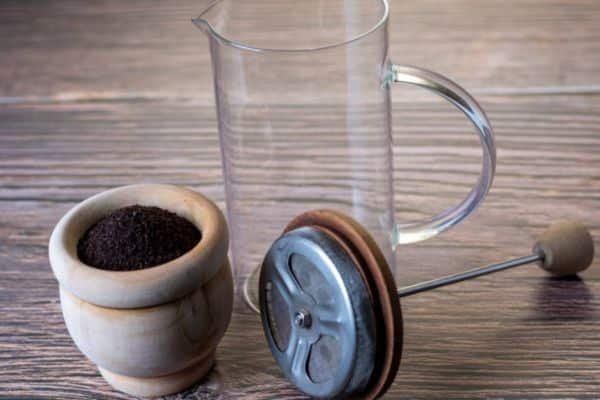
My mornings start slow, with the quiet sound of beans grinding and the smell of fresh coffee filling the room. Over time, I’ve built a simple ritual that gives me a smooth, grit-free brew every time. These are my go-to French press clean cup brewing techniques—nothing fancy, just what actually works.
I start with a medium-coarse grind, about 1 tablespoon of coffee for every 4 ounces of water. I pour hot (not boiling) water in small circles to wet the grounds evenly, then let it bloom for 30 seconds. After that, I fill the press, stir gently once, and let it steep for 4 minutes.
When it’s time to press, I move slowly—steady and calm. Then I wait 30 seconds before pouring, leaving the last half inch untouched. It’s part of my morning rhythm now: patience, aroma, and a perfectly clean cup. These little details don’t just make better coffee—they make better mornings.
FAQs
Why does my French press coffee always have grounds?
Because the grind is too fine or the filter is loose. Use a medium-coarse grind and check the mesh fit for a smoother brew.
What’s the best grind size to avoid sediment?
Go for a medium-coarse grind—like sea salt. It keeps fines from slipping through while keeping full flavor.
How often should I replace my French press mesh filter?
Every 3–6 months, or sooner if coffee starts tasting gritty or pressing feels harder.
Final Thoughts
At the end of the day, reducing sediment is all about balance—the right grind, a clean filter, and a slow, steady press. Once you master those three steps, your French press coffee transforms from gritty to golden. Every sip becomes smoother, richer, and far more enjoyable.
Don’t be afraid to experiment with your own rhythm. Maybe you’ll find your perfect “clean cup” method by adjusting grind size or steeping time. Coffee brewing is part science, part art, and all about what feels right to you.
